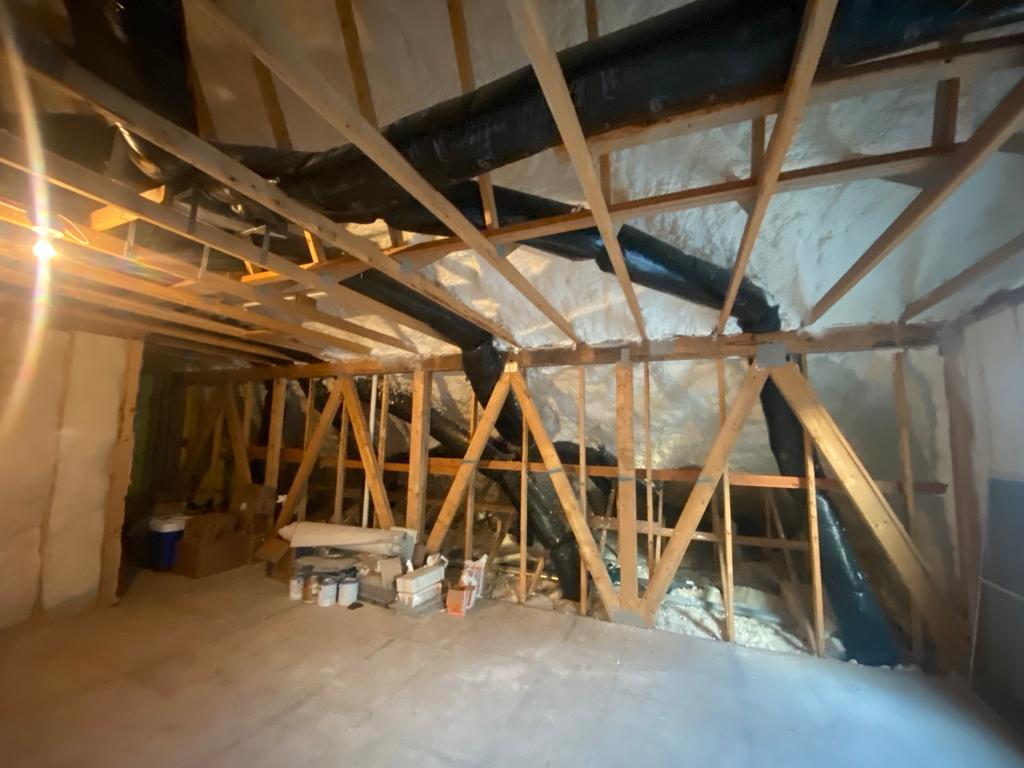
Investing in spray foam insulation is a significant step towards enhancing your home's energy efficiency and comfort. But to truly maximize your return on investment, understanding and adhering to a proper maintenance schedule is crucial. This comprehensive guide will walk you through everything you need to know about preserving the integrity and performance of your spray foam insulation, ensuring years of reliable service.
Why is Maintaining Spray Foam Insulation Important?
Maintaining your spray foam insulation isn't merely about preserving its appearance; it's about safeguarding your investment and upholding its performance. Regular maintenance prevents costly repairs down the line, preserves its energy-saving properties (R-value), and shields your home from moisture damage, mold growth, and pest infestations. Neglecting maintenance can lead to decreased thermal performance, increased energy bills, and potential structural issues. Addressing minor issues promptly, such as small cracks or minor settling, is far more cost-effective than dealing with extensive damage later. This proactive approach ensures your spray foam insulation continues to provide optimal protection and energy efficiency for years to come. The long-term care of your home insulation is intrinsically linked to routine maintenance.
What Does a Typical Maintenance Schedule Look Like?
A consistent maintenance schedule, combining routine inspections with preventative measures, is key to maximizing the lifespan of your spray foam insulation. This should incorporate both monthly and seasonal checks, addressing potential issues before they escalate. A well-maintained insulation system protects the overall structural integrity of your home and its energy efficiency.
Monthly Tasks
- Visual Inspection: Conduct a quick visual inspection, checking for any signs of cracks, settling, or discoloration. Pay particular attention to areas prone to moisture, such as around windows and pipes. Pest Control: Regularly check for signs of pest activity, including insect nests or rodent droppings. Address any infestations promptly to prevent damage to the insulation and potential structural compromise. Cleaning: Use a soft brush or vacuum to gently remove any dust or debris accumulated on the surface of the insulation. For tough stains, use a mild cleaning solution and avoid harsh chemicals. Never use high-pressure cleaning methods.
Seasonal Tasks
- UV Protection: If your spray foam insulation is exposed to direct sunlight (for example, in an attic), consider applying a UV-resistant coating to prevent degradation and yellowing. This helps maintain the foam's integrity and overall thermal performance. Thermal Performance Check: During seasonal changes (spring and autumn), compare your energy bills to previous years. Any significant increase in energy consumption could indicate a problem with your insulation's thermal performance and warrants further investigation.
What Are the Signs That Maintenance is Needed?
Several indicators suggest your spray foam insulation may require attention. These signs can range from subtle changes in appearance to more obvious signs of damage. Vigilance is key to effective maintenance.
- Degradation: Noticeable sagging, shrinking, or crumbling of the foam indicates potential issues. Yellowing or Discoloration: Uneven coloring could suggest UV damage or moisture penetration. Water Intrusion: Visible water stains or dampness within the insulation is a critical sign requiring immediate attention. Address these swiftly to prevent mold growth. Unusual Odors: Musty smells or unusual odors emanating from your insulated areas often point to mold or mildew. Prompt attention is crucial.
How Can Homeowners Perform DIY Maintenance?
For minor issues, some DIY maintenance is possible. However, for major repairs or concerns, professional assistance is crucial.
- Crack Repair: Small cracks can sometimes be patched using a suitable foam sealant. Carefully clean the area before applying the sealant according to the manufacturer's instructions. Foam Patching: Small holes or gaps can be patched with spray foam if you have the necessary equipment and experience. Ensure the area is clean and dry before proceeding.
When Should You Hire a Professional?
While some minor https://howell-township-nj-08753-b-w-9-6-1.raidersfanteamshop.com/secure-your-savings-discover-government-grants-for-insulation-in-2025 maintenance can be handled DIY, it's vital to recognize when professional assistance is necessary.
- Extensive Damage: If you notice significant damage, such as large cracks, substantial settling, or water damage, a professional inspection is essential. Uncertain Issues: If you are unsure about the cause or extent of a problem, a professional can provide accurate diagnosis and recommendations. Warranty Concerns: If your spray foam insulation is under warranty, engaging a qualified professional for repairs is crucial to maintaining warranty coverage. Always consult your warranty terms.
What Are the Costs Associated with Maintenance?
Maintenance costs vary significantly based on the type and extent of the work needed. Preventative maintenance is generally inexpensive and dramatically reduces potential larger repair costs.
- DIY Repairs: The costs are minimal, primarily covering the cost of materials like sealants or patching compounds. Professional Inspections and Repairs: These costs are typically higher, varying based on the extent of the damage and the professional's rates. A professional's experience will minimize costly future damage and ensure proper repair techniques.
FAQ Section
What are common issues with spray foam insulation? Common issues include settling, cracking, moisture intrusion, and pest infestation.
How long does spray foam insulation last? With proper maintenance, spray foam insulation can last for decades.
Can spray foam insulation get wet? While spray foam insulation has moisture-resistant properties, prolonged exposure to excessive moisture can cause damage.
How often should professional inspections be done? Professional inspections are typically recommended every 5-10 years, or sooner if problems are suspected.
Maintaining your spray foam insulation is an investment that pays dividends in energy savings, improved home comfort, and increased property value. By following a consistent maintenance schedule and addressing potential problems promptly, you can ensure your insulation continues to perform optimally for years to come. Remember, preventative maintenance is significantly less expensive than extensive repairs. Contact a reputable insulation contractor near you for any questions or concerns.