Choosing the right insulation is a crucial decision for any homeowner or building project, impacting energy efficiency, comfort, and long-term costs. Spray foam insulation, with its excellent air-sealing properties and high R-value, has gained significant popularity. But how long does this seemingly miraculous insulation solution truly last? This comprehensive guide will explore the lifespan of spray foam insulation, factors influencing its longevity, and considerations for maintenance and replacement.
Understanding Spray Foam Insulation
Spray foam insulation, primarily polyurethane foam, comes in two main varieties: open-cell and closed-cell. Open-cell foam is less dense, offering good insulation but allowing for some moisture absorption. Closed-cell foam, denser and more expensive, provides superior moisture resistance and a higher R-value, making it more effective at preventing heat transfer. Both types excel at air sealing, significantly reducing drafts and energy loss. The choice between open-cell and closed-cell depends on the specific application, climate, and budget. Key factors influencing the selection include R-value requirements, moisture control needs, and cost considerations. This comprehensive insulation solution provides significant energy efficiency and superior soundproofing.
Expected Lifespan of Spray Foam Insulation
The lifespan of spray foam insulation is a topic of significant interest for homeowners and professionals alike. While there’s no single definitive answer, properly installed spray foam insulation can last for decades, often exceeding 50 years under ideal conditions. This impressive longevity is attributed to the foam's inherent durability and its ability to form a continuous, airtight seal. The expected lifespan is significantly influenced by various factors, as detailed in the following sections. This makes spray foam insulation a truly long-term investment in energy savings and improved home comfort.
Factors Affecting Lifespan
Several critical factors influence the longevity and performance degradation of spray foam insulation. These include the quality of installation, the application methods employed, and the ongoing maintenance needs. The material's resistance to moisture and its ability to maintain thermal performance are also key determinants of its lifespan. Addressing these factors is crucial to ensure the long-term benefits of spray foam insulation. Environmental impacts like UV damage and water damage should also be considered.
Environmental Conditions Impacting Longevity
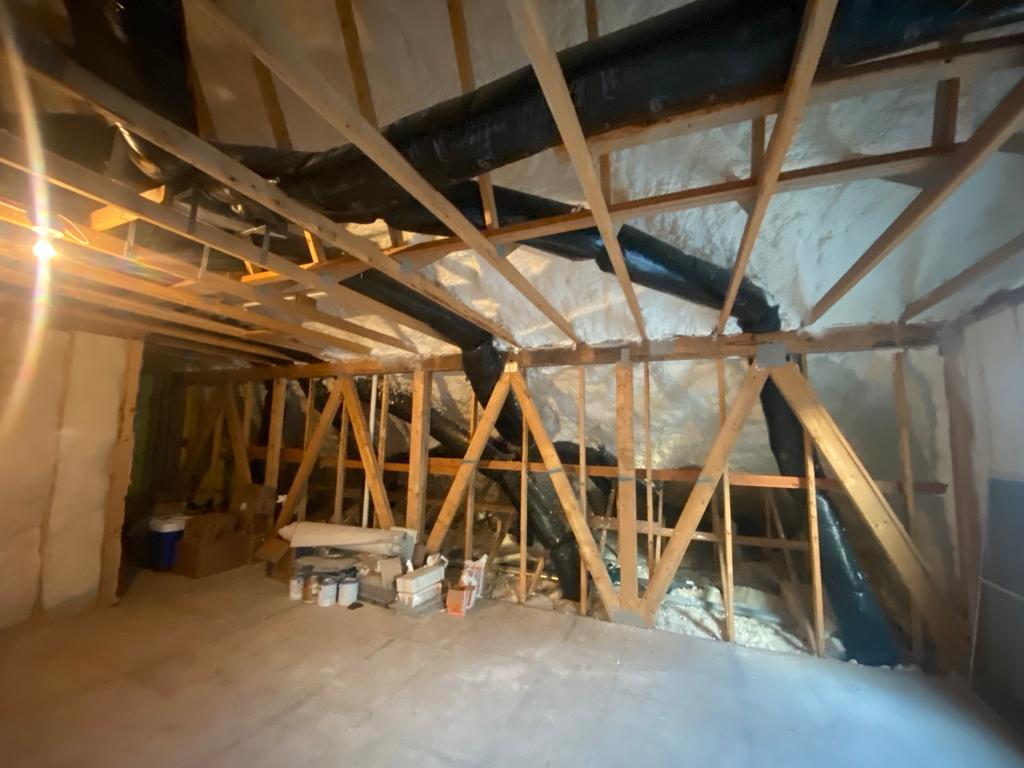
Exposure to ultraviolet (UV) radiation from sunlight can degrade some spray foam formulations over time. Prolonged exposure to moisture, whether from rain, snow, or high humidity, can also compromise the foam's integrity and lead to issues such as fungal growth or pest infestation. These environmental conditions can affect both open-cell and closed-cell foams, but closed-cell foam generally offers better resistance due to its denser structure and superior moisture resistance. Careful consideration of these factors, coupled with appropriate protective measures during installation and ongoing maintenance practices are crucial for maintaining optimal lifespan.
Comparing Closed-Cell vs. Open-Cell Foam
Closed-cell foam boasts a longer lifespan and higher R-value retention compared to open-cell foam. Its superior moisture resistance makes it ideal for applications in humid climates or areas prone to water damage. Open-cell foam, while cost-effective, is more susceptible to moisture absorption, potentially impacting its long-term performance and lifespan. The choice between these two types should be made based on specific application needs and consideration of the associated trade-offs in cost and performance. Both types contribute to improved energy efficiency and superior soundproofing.
Maintenance and Repair Considerations
While spray foam insulation is durable, some maintenance and occasional repairs might be necessary over its lifespan. This could include addressing minor imperfections in the installation, repairing any water damage, or resolving pest infestation issues if they arise. Regular inspections can help identify and address problems early, potentially extending the overall service life of the insulation. Addressing any issues promptly can reduce long-term repair costs and prevent extensive damage. Understanding the product warranty and associated terms is critical for navigating repair issues effectively.
Cost Analysis: Replacement vs. Initial Investment
The high initial cost of spray foam insulation is often a primary concern. However, the substantial energy savings and prolonged lifespan often offset this initial investment. Comparing the cost of replacement after many years with the consistent energy savings achieved through proper installation and diligent maintenance highlights the financial advantages of spray foam. An energy audit can help quantify the projected savings and assist in cost-benefit analysis. Considering the lifespan and overall performance, spray foam insulation frequently presents itself as a financially viable long-term solution.

Sustainability Aspects of Spray Foam Insulation
The environmental impact of insulation is increasingly important. While some spray foam formulations contain volatile organic compounds (VOCs), low-VOC or zero-VOC options are readily available. The long lifespan of spray foam reduces the need for frequent replacements, minimizing the environmental impact associated with manufacturing and disposal of insulation materials. Choosing environmentally responsible products contributes to sustainable building practices and helps minimize the overall carbon footprint of a building. The lifecycle analysis of spray foam insulation demonstrates its contribution to responsible and sustainable construction.
Conclusion
Spray foam insulation, when properly installed and maintained, offers a remarkable lifespan, providing decades of energy efficiency and enhanced comfort. Understanding the factors that influence its longevity, such as environmental conditions and installation quality, is crucial for maximizing its benefits. https://www.boldsealinsulation.com/new-jersey-insulation/ocean-county-nj-insulation-contractors While the initial investment might be higher than some alternatives, the long-term cost savings and reduced environmental impact often make it a worthwhile investment for homeowners and builders alike. Choosing the right type of spray foam and seeking professional installation are key steps toward ensuring many years of superior performance from this exceptional insulation solution. Contact a qualified insulation professional today to discuss your needs and explore the possibilities of spray foam insulation for your home or building project.